Antonio Busiello Photography Antonio Busiello Photography
  • Home
  • Stories
  • About
    • Bio
    • Exhibitions
    • Publication
    • Awards
    • Books
    • instagram
  • Contact
  • Buy Print
MENU
  • Home
  • Stories
  • About
    • Bio
    • Exhibitions
    • Publication
    • Awards
    • Books
    • instagram
  • Contact
  • Buy Print
Follow us

Baiae: A dive into history

Baiae: A dive into history

Located in the middle of a stunning volcanic region called Phlaegrean (in Greek, “burning”), Baiae was one of the richest and most populated areas of the Roman Empire. The villas of the Late-Republican and Imperial Rome elite crowded it shores, earning it the name “Little Rome.” Ancient sources attribute the region’s appeal to its mild climate, breath-taking scenery, numerous natural thermal springs and proximity to Rome, less than 200 kilometres north. Baia was also a very important commercial and military port for centuries. Senators and rich romans loved to live or spend part of the year along the coast of the gulf of Baia. Pliny the younger was here when he saw the terrible eruption of Mount Vesuvius in 79AD, right in front of him in the gulf of Sorrento on the opposite side of Baia. He described the eruption and the destroying of Pompei and Ercolano in his famous writings. Archeological research in this area dates back to the 18th century when explorers first discovered the submerged structures. More then 3000 Roman Villas and temples have been found along the coast. Many relics retrieved from then up to now are displayed in the Archaeologicals Museum of Naples and Baia. 

A great part of this area, including buildings, floors, columns, mosaics and roads, is now preserved underwater as a result of Bradyseism, the volcanic phenomenon that causes huge geo-morphological changes due to the slowly sinking and re-emergence of the mainland.

Growing up barely 30 kilometres from the now-famous Marine Protected Area of Baia, near Naples, I was amazed by this amazing submerged ancient Roman city, an underworld wonderland. I still remember my first dive there as a curious teenager. At the time it was unprotected and many divers swam off with ancient amphora and other relics. I recently went back to Baia on assignment after many years and I was happy to see a completely different situation. The Italian government declared the Marine Protected Area of Baia in 2002. This resulted in the banning of commercial and recreational boats with clear demarcation buoys indicating protected areas. Since that time much underwater conservation work has been undertaken by government authorities and sea activities have been regulated. Diving centers operating in the area have been entrusted with the management of touristic traffic and site control, and the Underwater Archaeological Park of Baia is now a great sample of respectful cultural tourism .


Baiae: A dive into history
Aerial View of Pozzuoli Gulf (Golfo di Pozzuoli)
Baiae: A dive into history
Roman ruins, Gulf of Pozzuoli
Baiae: A dive into history
Submerged ancient Roman mosaic
Baiae: A dive into history
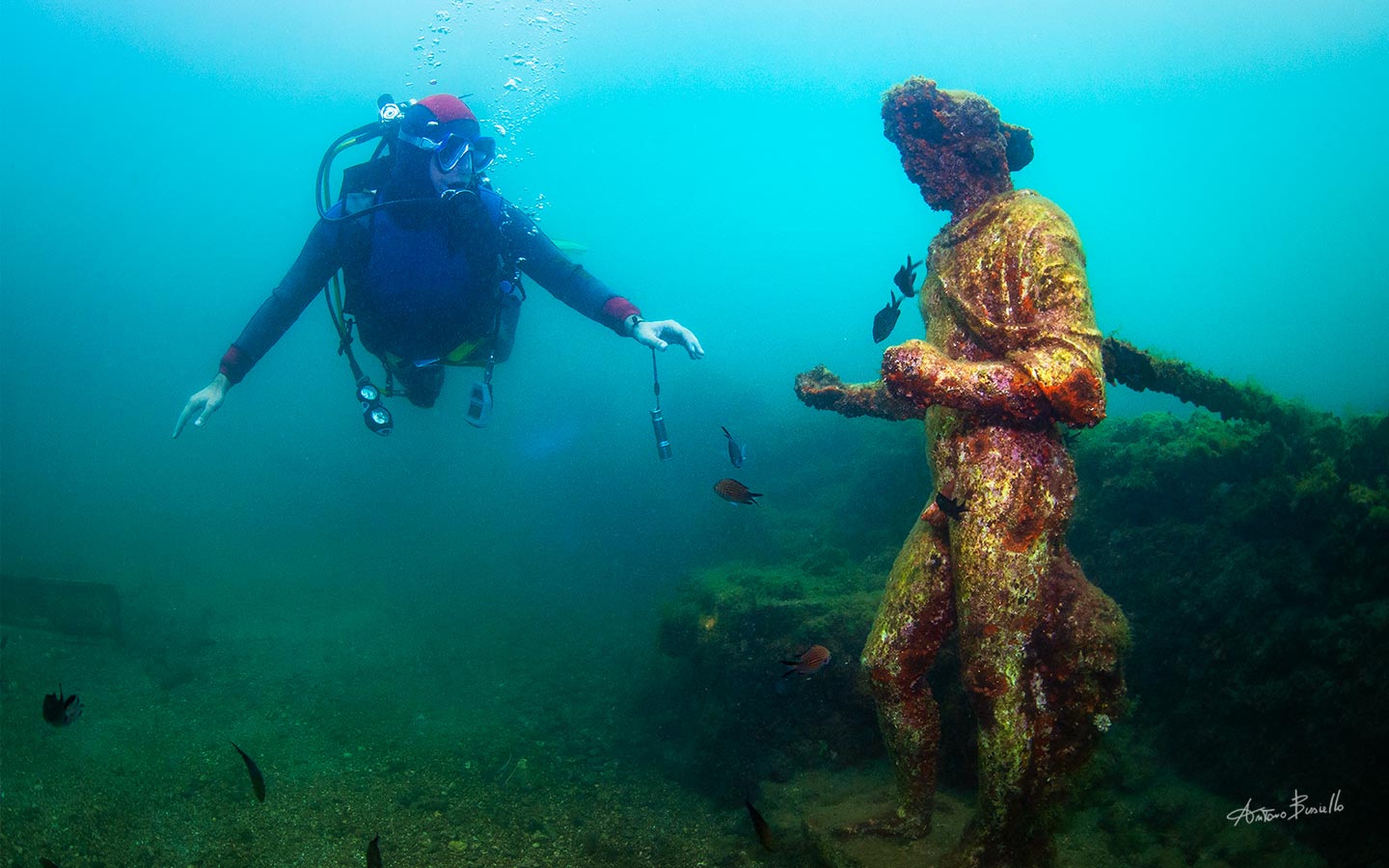
Submerged Statue of greek God Dionysus
Baiae: A dive into history
Dragonara caves, Miseno. Campi Flegrei (Phlegraean Fields)
Baiae: A dive into history
Dragonara caves, Miseno. Campi Flegrei (Phlegraean Fields)
Baiae: A dive into history
Submerged statue of Ulysses.
Baiae: A dive into history
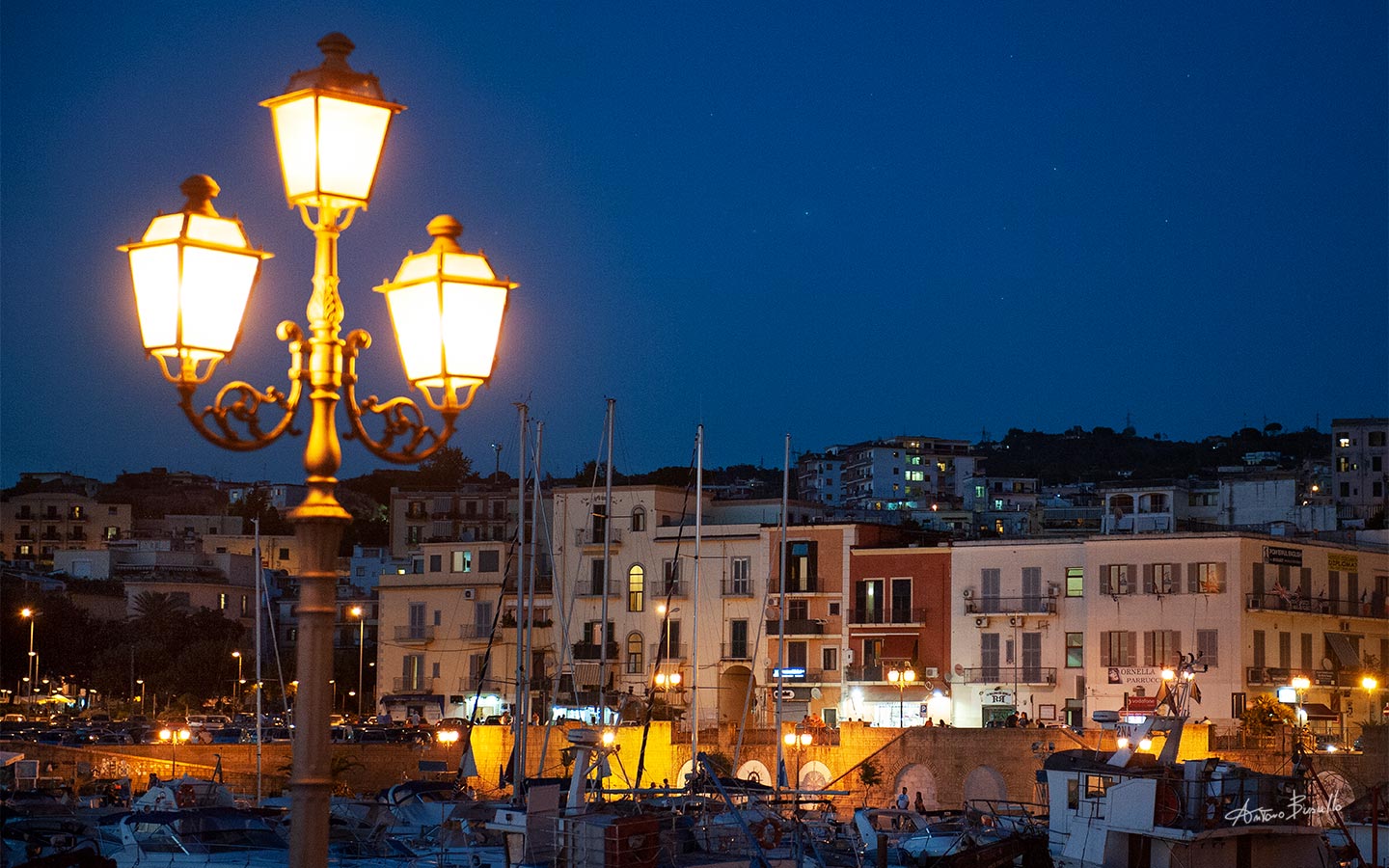
Pozzuoli marina with Rione Terra
Baiae: A dive into history
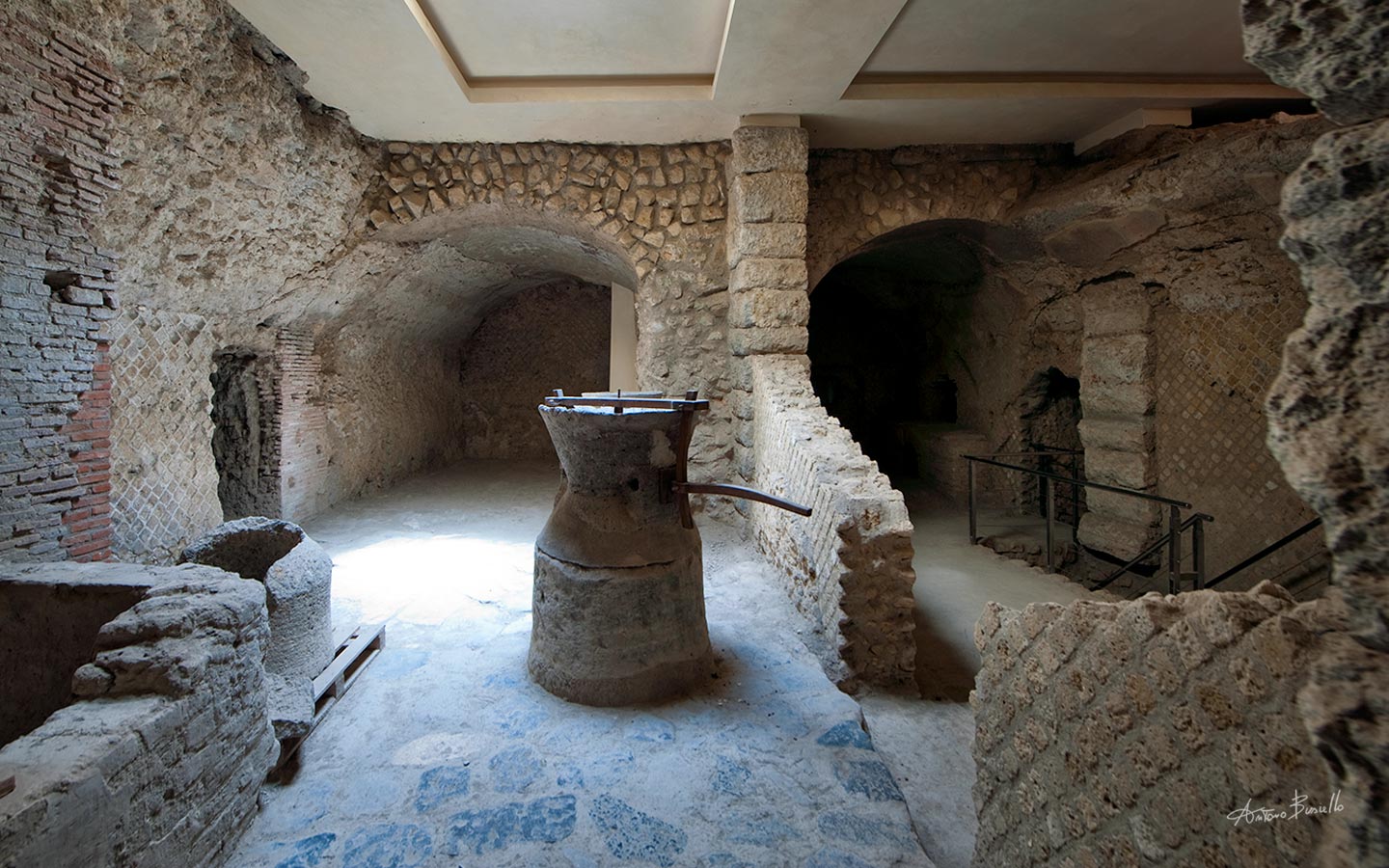
Ancient roman millstone underground Rione Terra
Baiae: A dive into history
Parco archeologico delle Terme di Baia (Archeological Park of Terme di Baia)
Baiae: A dive into history
The Temple of Venus', Bacoli, Campi Flegrei (Phlegraean Fields)
Baiae: A dive into history
Hot steam and sulfurous fumes rise from fumerole of Solfatara volcano ( La Solfatara)
Baiae: A dive into history
The submerged Nymphaeum of Emperor Claudius
Baiae: A dive into history
Underwater archeological park of Baiae
Baiae: A dive into history
Submerged Statue of greek God Dionysus
Baiae: A dive into history
Submerged ancient Roman mosaic
Baiae: A dive into history
Submerged Roman column. Underwater archeological park of Baiae
Baiae: A dive into history
Mullet feeding on Roman mosaic
Baiae: A dive into history
The Sunken City of Baia (Baiae)
Baiae: A dive into history
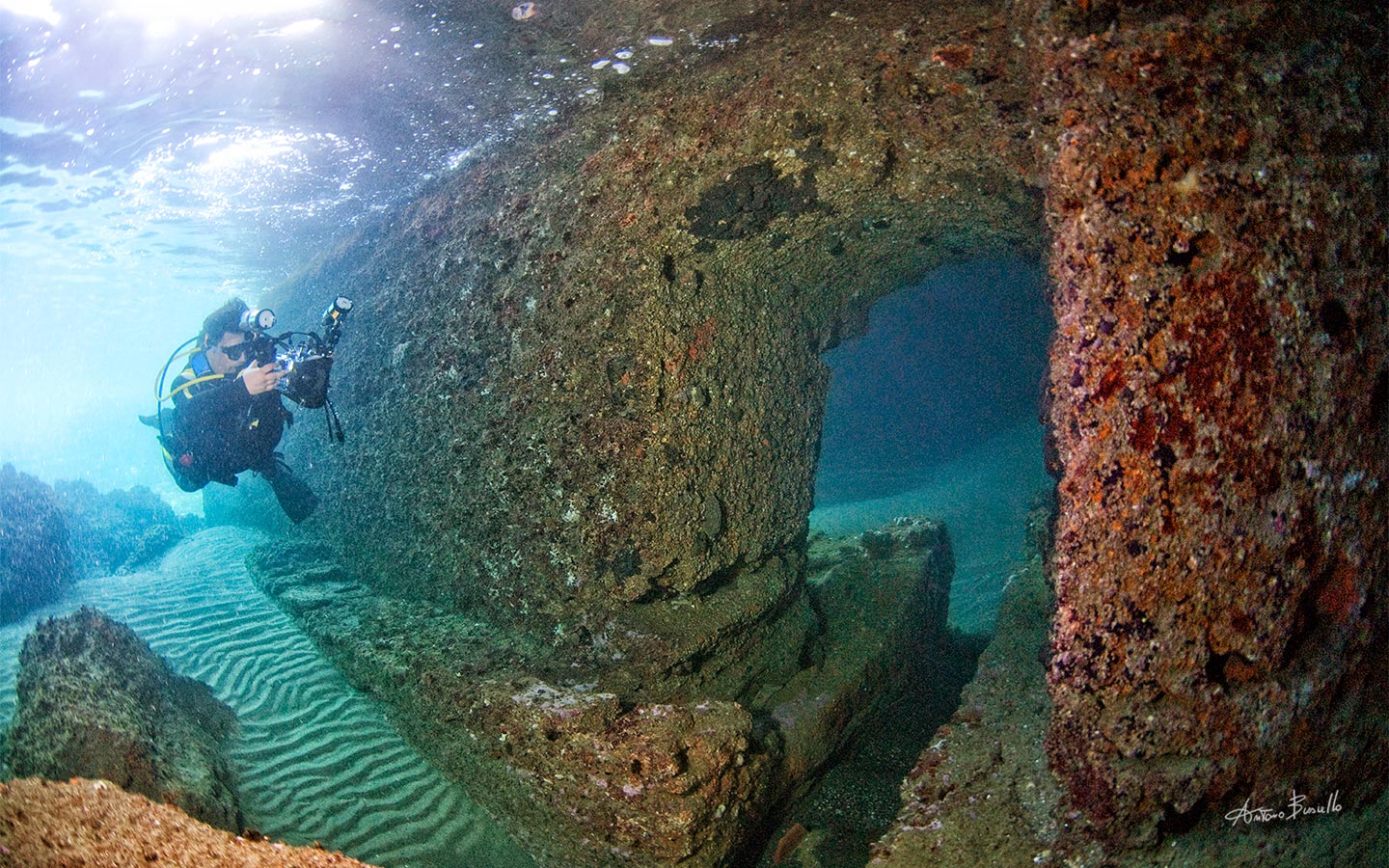
The submerged Nymphaeum of Emperor Claudius
Baiae: A dive into history
Dragonara caves, Miseno. Campi Flegrei (Phlegraean Fields)
Baiae: A dive into history
Roman amphora and European conger
Baiae: A dive into history
The submerged Nymphaeum of Emperor Claudius
Baiae: A dive into history
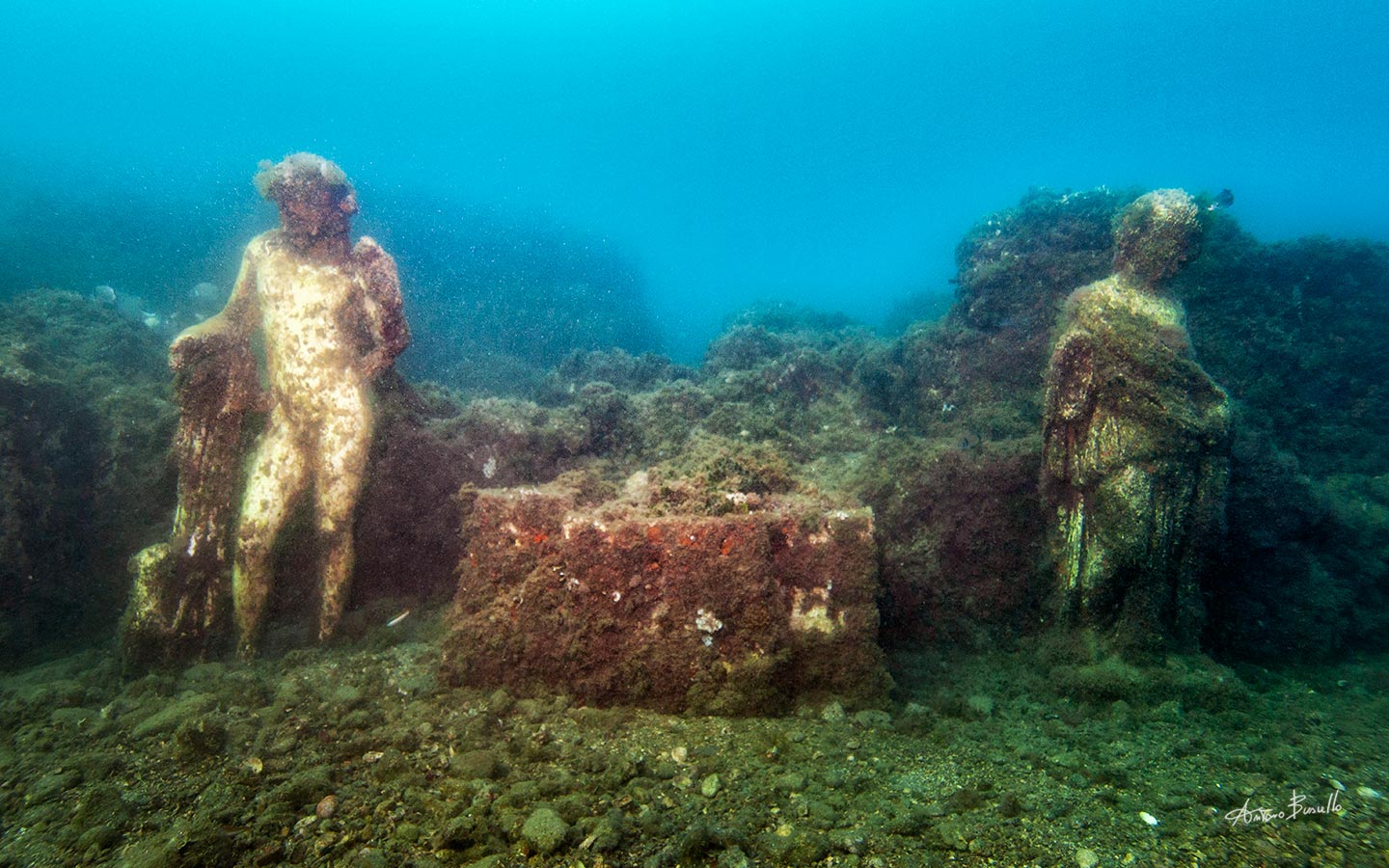
Submerged statue of Antonia Minore, Nymphaeum of Emperor Claudius
Baiae: A dive into history
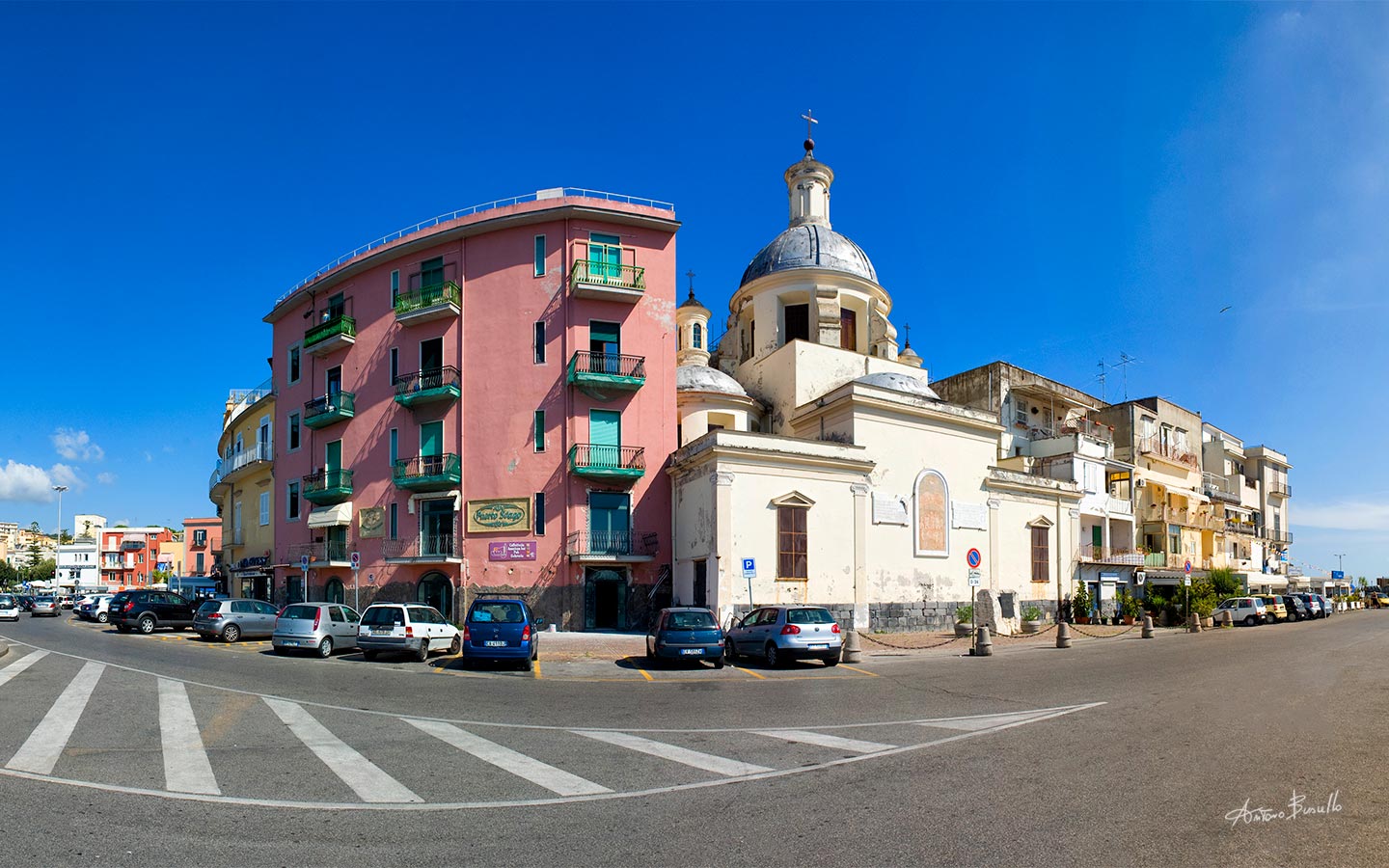
Pozzuoli, Campi Flegrei (Phlegraean Fields)
Baiae: A dive into history
Ruins of the Macellum (ancient indoor roman market) also known as the Temple of Serapis, submerge and resurfaced from underwater because of the Bradyseism.
Baiae: A dive into history
Pozzuoli
Baiae: A dive into history
Pozzuoli Cathedral also non as the Basilica of San Procolo martire. Rione Terra.
Baiae: A dive into history
Piscina Mirabilis, an ancient Roman cistern, Bacoli
Baiae: A dive into history
Anfiteatro Flavio (Flavian Amphitheater)
Baiae: A dive into history
Anfiteatro Flavio (Flavian Amphitheater)
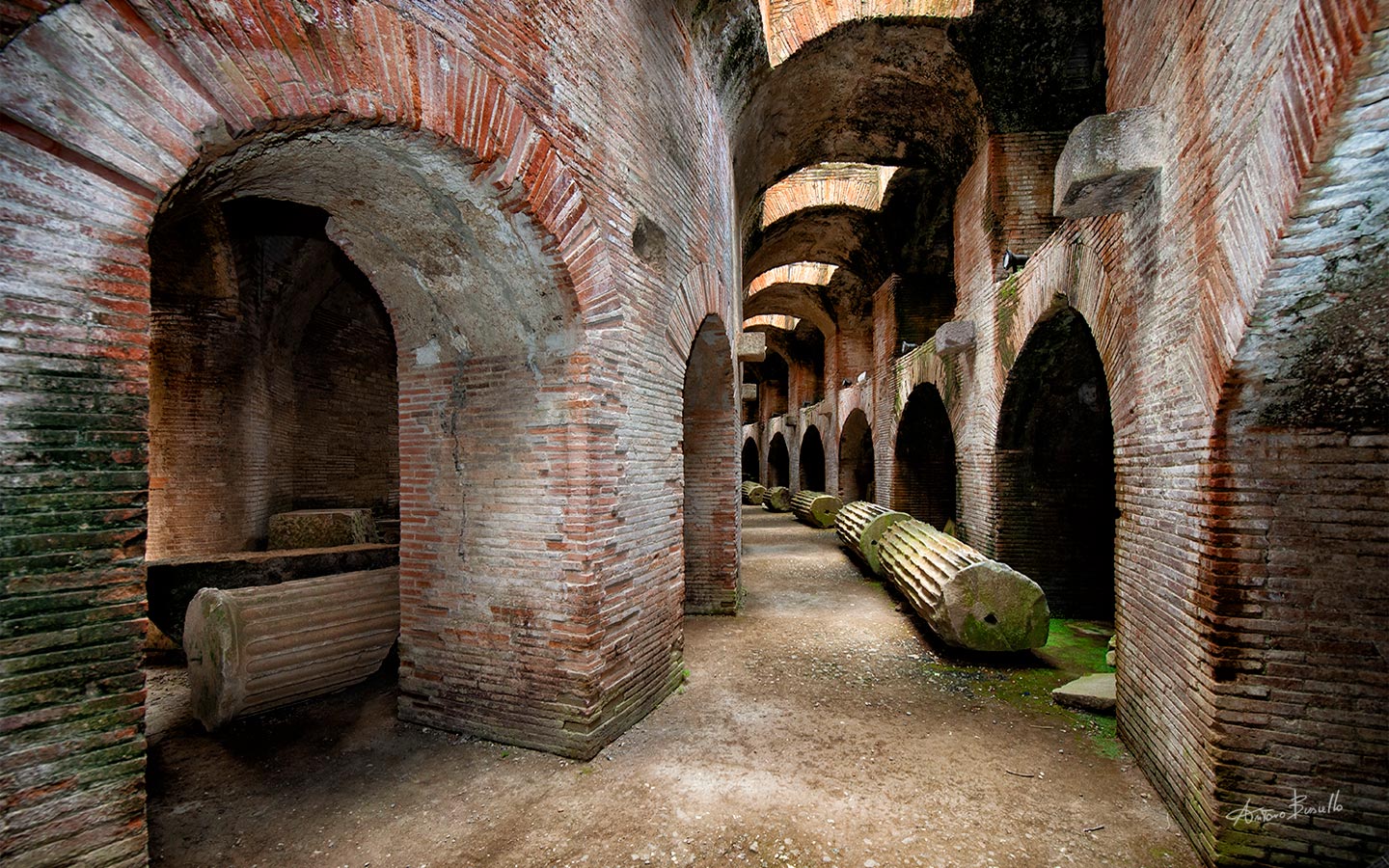
Baiae: A dive into history
Anfiteatro Flavio (Flavian Amphitheater)
Baiae: A dive into history
La Solfatara (Solfatara volcano )
Baiae: A dive into history
Castello Aragonese (Aragonese Castle of Baia)
Baiae: A dive into history
Castello Aragonese (Aragonese Castle of Baia)
Baiae: A dive into history
Roman capital
Baiae: A dive into history
Statue of venus
Baiae: A dive into history
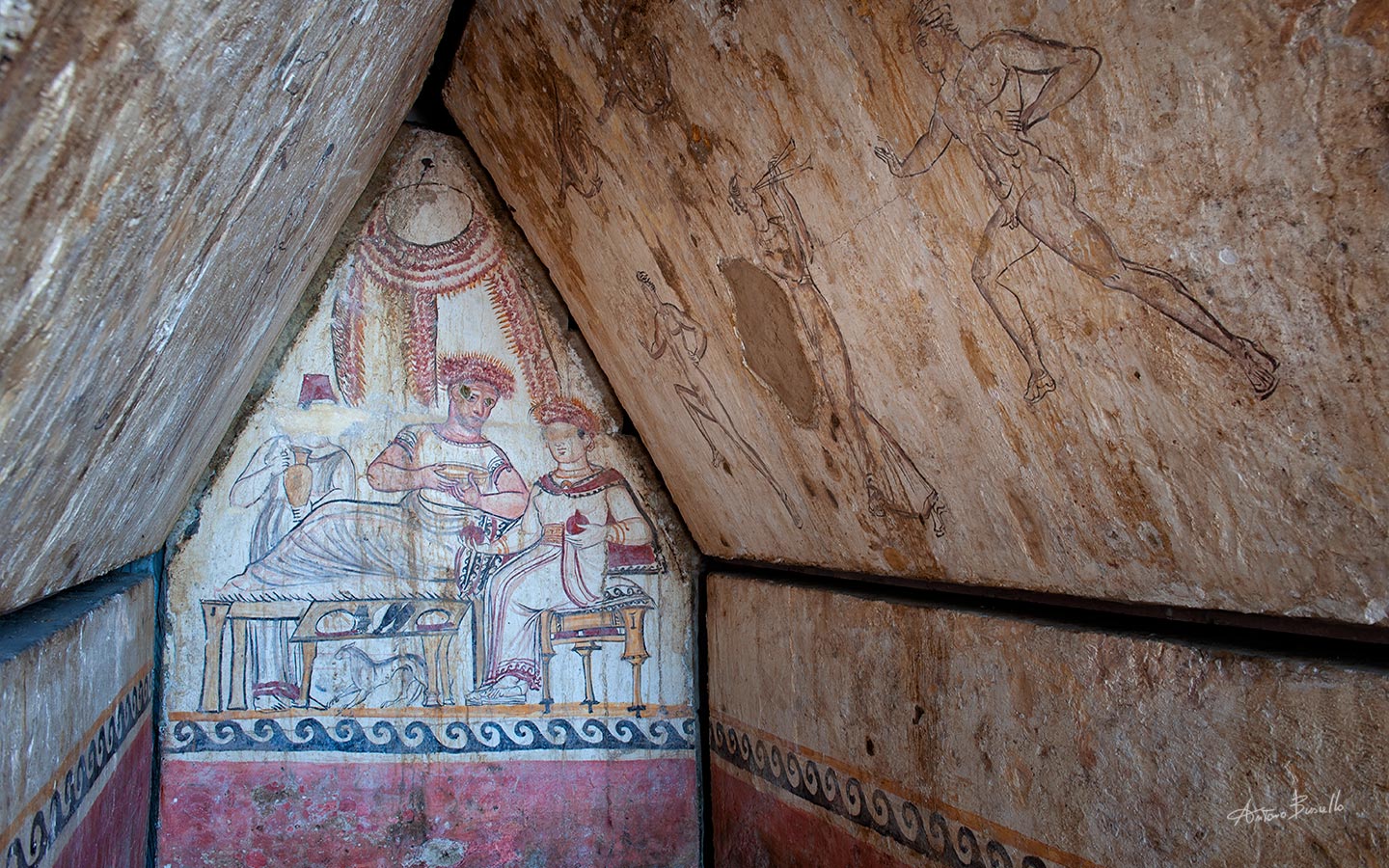
Samnite tomb
Baiae: A dive into history
Capo Miseno
Baiae: A dive into history
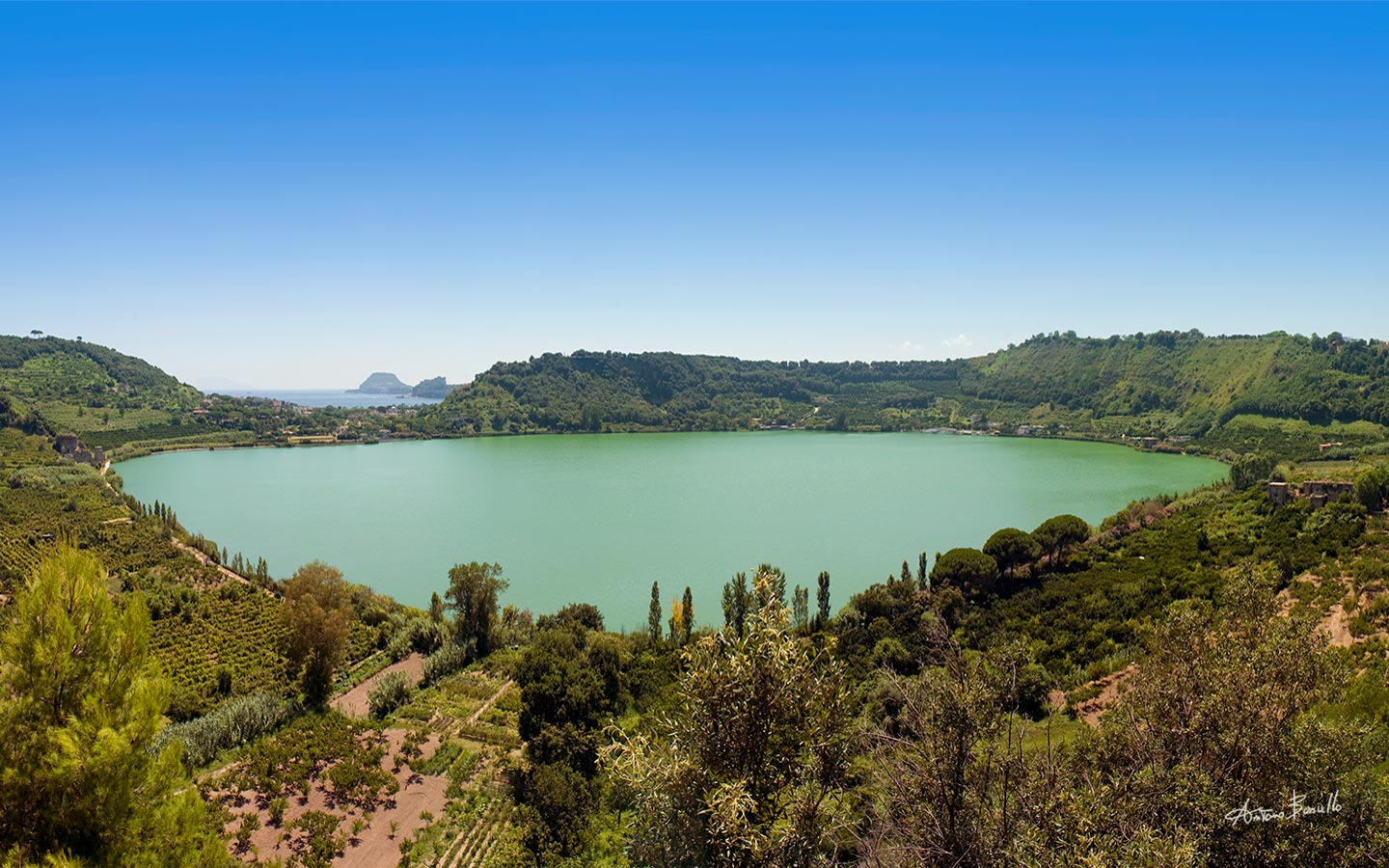
Lago d'Averno (Lake Avernus)

Follow  

Share 

© Antonio Busiello Photography
Cookies Policy
Privacy Policy
Cookie Settings
  
Come back
View the complete Cookie Policy

Customize your consent preferences

From the following settings you have the possibility to express your consent preferences to the technology technologies we track to offer the functionalities and carry out the activities under utility. To obtain further information regarding the usefulness and functioning of these tools tracking, refer to the cookie policy of the relative owner.

Reject all
Accept all
Strictly Necessary (Technical Cookies) More info
technical cookies are used to carry out the transmission of a communication on an electric communication network, or by a provider of an information society to give a service requested by a subscriber or a user.
Technical cookies are installed directly by the owner/operator of the website and can be divided into navigation or session cookies, which guarantee the ordinary use of the website (For example, to make a purchase or to access to restricted areas); analytics cookies, used directly by the owner/operator to collect information about the number of users and how they visit the website; functionality cookies, which allow the user to browse according to selected criteria (for example, the language, the products selected for purchase) in order to improve the service provided. To install these cookies, the user consent is not required.
Browse’s statistics and technical management More info
the computer systems acquire some personal data while they are operating for the website. The personal data transmission is implicit since the use of internet communication protocols. This information is not collected to identify the user, even if through processing and association data owned by third parties, they could allow users’ identification. These data are, for example: IP addresses or the computer names used by users who browse the website, addresses in URI (Uniform Resource Identifier) of the resources required, the characteristics of the browser used, the screen’s resolution of the device used to run the browser and other parameters . These data are used to obtain anonymous statistical information about the use and the proper functioning of the website.; the data are deleted immediately after processing. The data could be used to verify liability, in case of computer crimes against the website.
Profiling Cookies:
Advertising, Remarketing, and Behavioral Targeting More info
These services allow to use the User’s Data for commercial communication purposes in advertising, considering the User’s interests. Some services use cookies or other identifiers to identify the user. They could use also the behavioral retargeting technique: personalized advertisements based on the interests or behavior of the User, also detected outside of this website.
Save and continue