Antonio Busiello Photography Antonio Busiello Photography
  • Home
  • Stories
  • About
    • Bio
    • Exhibitions
    • Publication
    • Awards
    • Books
    • instagram
  • Contact
  • Buy Print
MENU
  • Home
  • Stories
  • About
    • Bio
    • Exhibitions
    • Publication
    • Awards
    • Books
    • instagram
  • Contact
  • Buy Print
Follow us

The red gold rush: Lobster fishing in Central America

The red gold rush: Lobster fishing in Central America

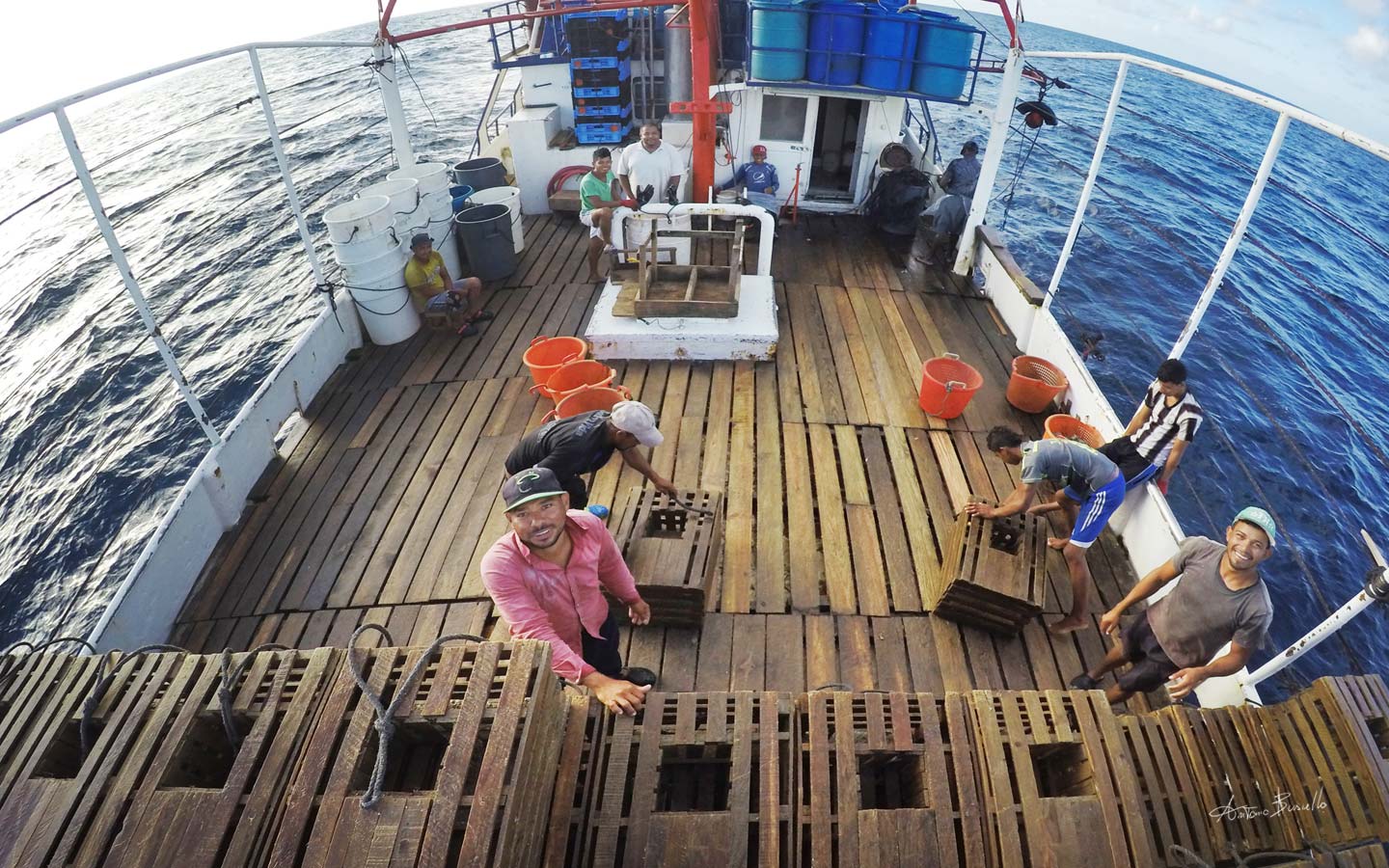
Lobster fishery represents a multimillion dollar business. With an average of 37,000 tons of lobster fished every year and an estimated value of US$500 million, it provides a livelihood for approximately 250,000 people along the Mesoamerican reef, including artisanal and commercial fishermen and all the people involved in the process until the lobster reach the buying countries. (FAO 2013). It is one of the largest and most important fishery in Central America and Caribbean and most of it is consumed in the United States. According to the C/A Center for Marine Studies, Honduras alone exports over $40 million worth of lobster just to the U.S. market every year. However, working conditions are very hard and some times dangerous for both trap boat fisherman who spend eight months at sea. They endure hard living and working conditions, especially  scuba diver fishermen who risk their life daily for the amount of dives. Spiny lobster has been overfished in the past without any control and regulation. WWF has been working for years with the Caribbean countries involved in lobster fishing to obtain a more responsible fishery, in line with the growing demand on the market. Finally, in 2009, Central American waters introduced a four month ban on lobster fishing during the reproductive season. This ban responds to the Fisheries and Aquaculture Integration Policy and the ordinance OSP-02-09 for the “Regional Regulation of Caribbean Lobster Fishing, issued by the organization for Central American Fisheries and Aquaculture Sector (OSPESCA) and signed by the governments on May 21, 2009, and It is still valid. Along with the ban a new set of rules were introduced, like lobster traps with an escape opening for juveniles, the return of female carrying eggs back in the water, a minimum lobster size and the prohibition on lobster diving. 
The red gold rush: Lobster fishing in Central America
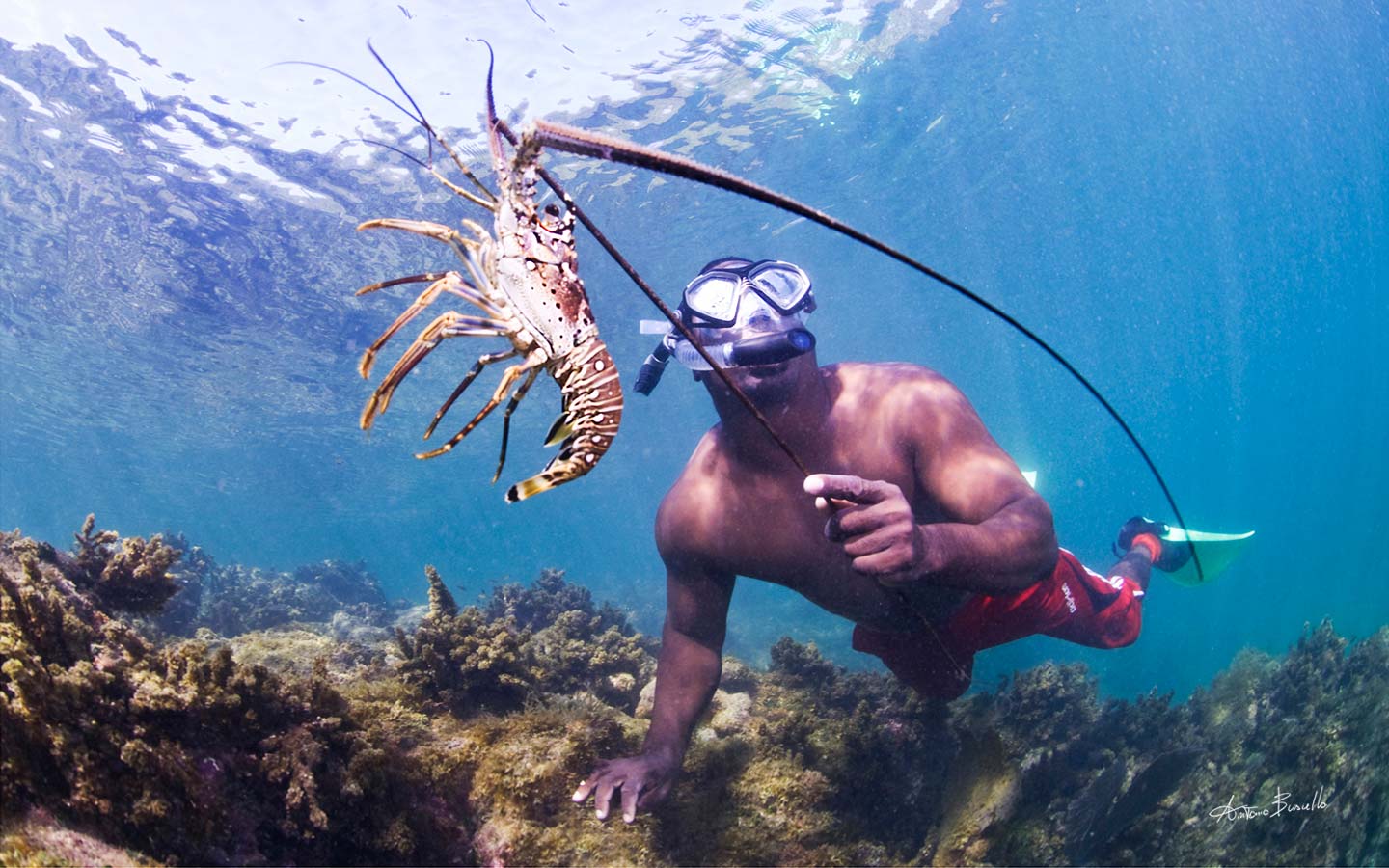
Many local communities like the Garifuna in Cayos Cochinos, Honduras are working with the local governments and institutions for a better and more sustainable fishing, giving them a legitimate income in respect of the environment and in line with the rules and regulations.
The red gold rush: Lobster fishing in Central America
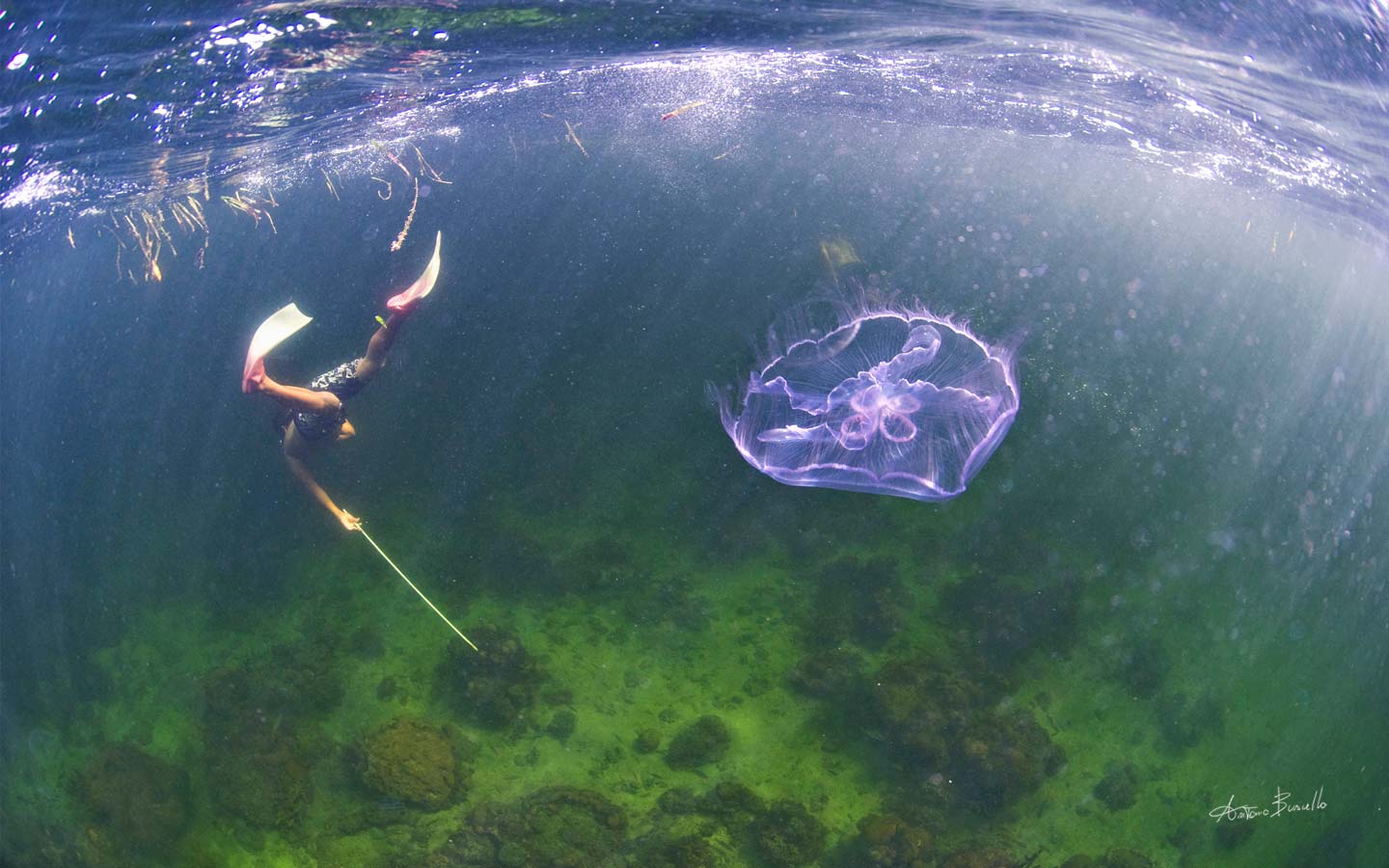
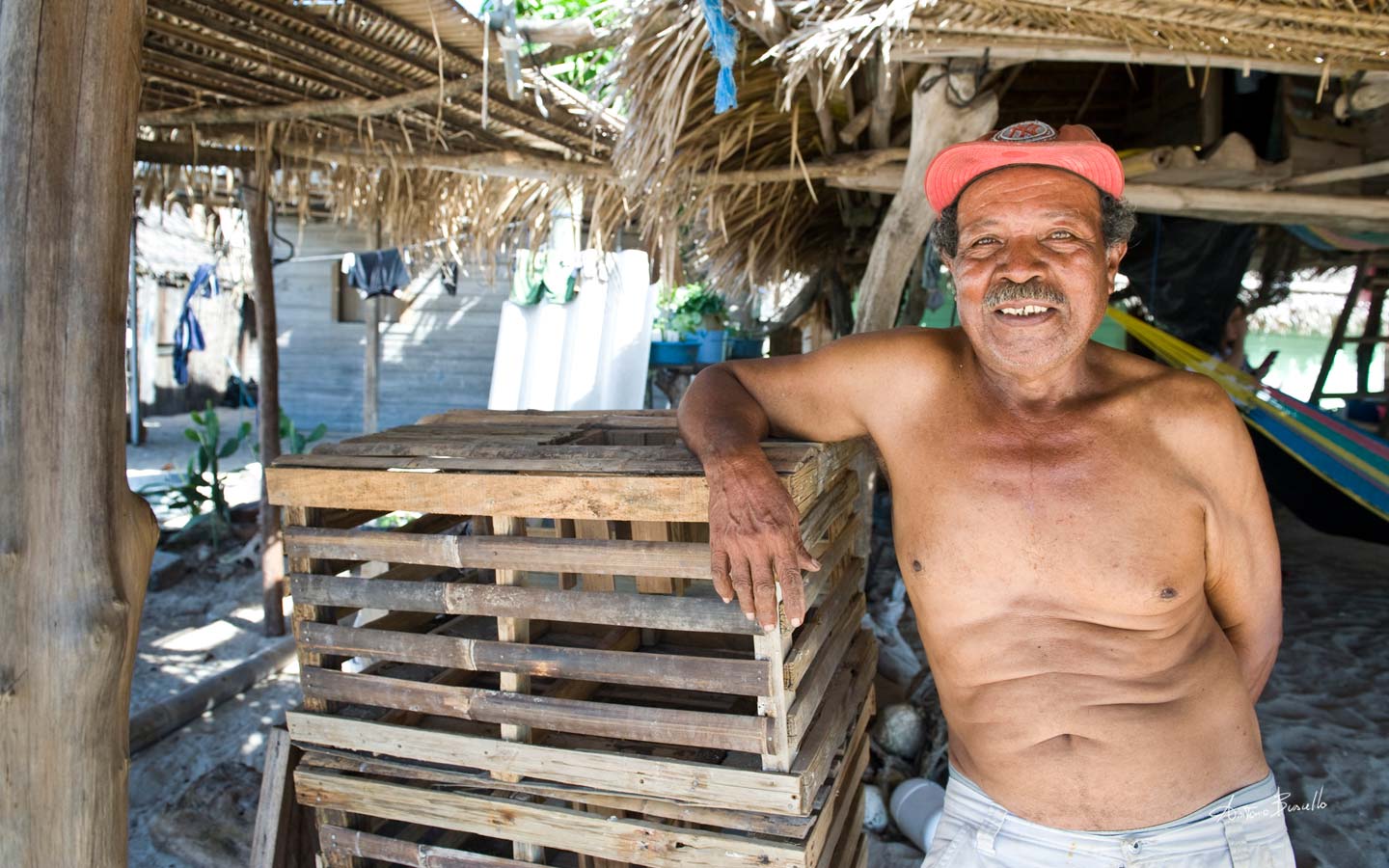
Vincente Guzman, an old fisherman from the west side of Honduras, He moved to Camb Bay, Roatan island with his family 25 years ago. He also like to fish lobster in free dive, and he loves teaching how to fish to his young grandson Arturo.
The red gold rush: Lobster fishing in Central America
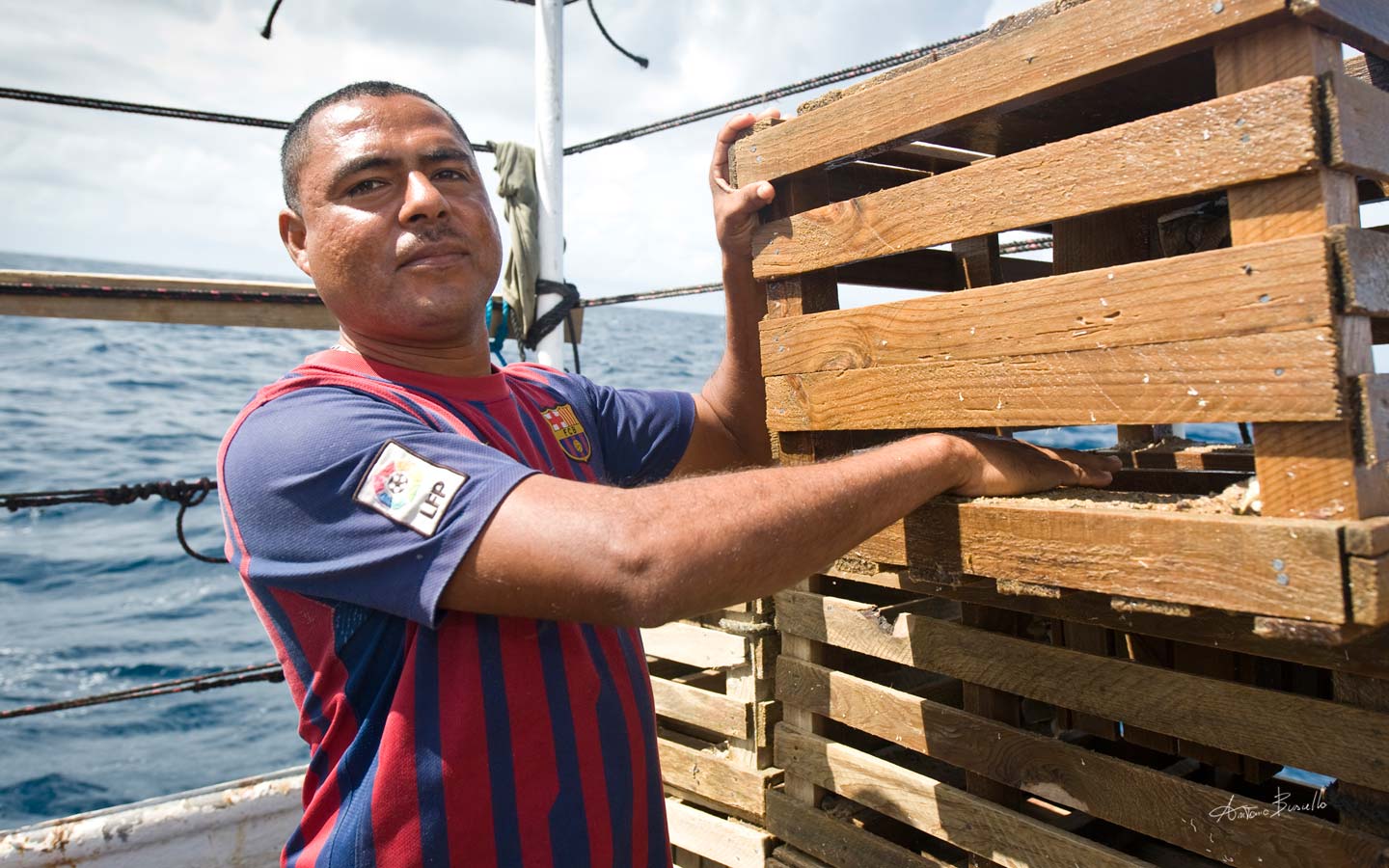
Aboard of a commercial lobster fishing boat el quebrador (the breaker) takes the traps when they are pulled out and throw them back in the water once they are empty. Fishermen pulls out and throw back in the water 1500 traps every single day, working hard from 1am to 5/6 pm, some times later. Traps have cement on the bottom, that makes them quite heavy, and often sea condition is rough or it is raining, making the process even more difficult and dangerous.
The red gold rush: Lobster fishing in Central America
Grazzia Matamoros, WWF/MAR Fisheries & Marine conservation technical officer. WWF has been working for years with Central American and Caribbean countries involved in lobster fishing to obtain a more responsible fishery, in line with the growing demand on the market.
The red gold rush: Lobster fishing in Central America
With an average of 37,000 tons of lobster fished every year and an estimated value of US$500 millions, lobster fishing is one of the largest and most important fishery in Central America and Caribbean, providing a livelihood for approximately 250,000 people, including artisanal, commercial fishermen and all the people involved in the process until the lobster reach the buying countries (FAO 2013).
The red gold rush: Lobster fishing in Central America
Artisanal fishing
The red gold rush: Lobster fishing in Central America
Lobster traps
The red gold rush: Lobster fishing in Central America
Commercial trap lobster fishing
The red gold rush: Lobster fishing in Central America
Artisanal fishing
The red gold rush: Lobster fishing in Central America
Artisanal fishing
The red gold rush: Lobster fishing in Central America
Commercial trap lobster fishing
The red gold rush: Lobster fishing in Central America
Commercial trap lobster fishing
The red gold rush: Lobster fishing in Central America
Commercial trap lobster fishing
The red gold rush: Lobster fishing in Central America
Lobster packing plant
The red gold rush: Lobster fishing in Central America
Levan Aldana with his father and brother, fishing lobsters. They all live off lobster fishing. They fish using home made traps or free diving.They sell the lobsters to the local restaurants and to the fish markets. Many people in Belize live off artisanal lobster fishing. Matter of fact lobster fishery became the most important income earning for artisanal fishermen in Belize over the last few years the. Fishermen use hook-sticks, catching lobster within the inshore reef along the coast of Belize. Other use wooden traps called "casitas
The red gold rush: Lobster fishing in Central America
Maria and his brother Marcos buy lobsters from local artisanal fishermen and sell them to restaurants, and people from their dock. Lobster fishing represent the most important income for artisanal fishermen in Belize. This fishery is seasonal, they are allowed to fish for eight months of the year.
The red gold rush: Lobster fishing in Central America
Fishing boats in Sambo Creek, Honduras.
The red gold rush: Lobster fishing in Central America
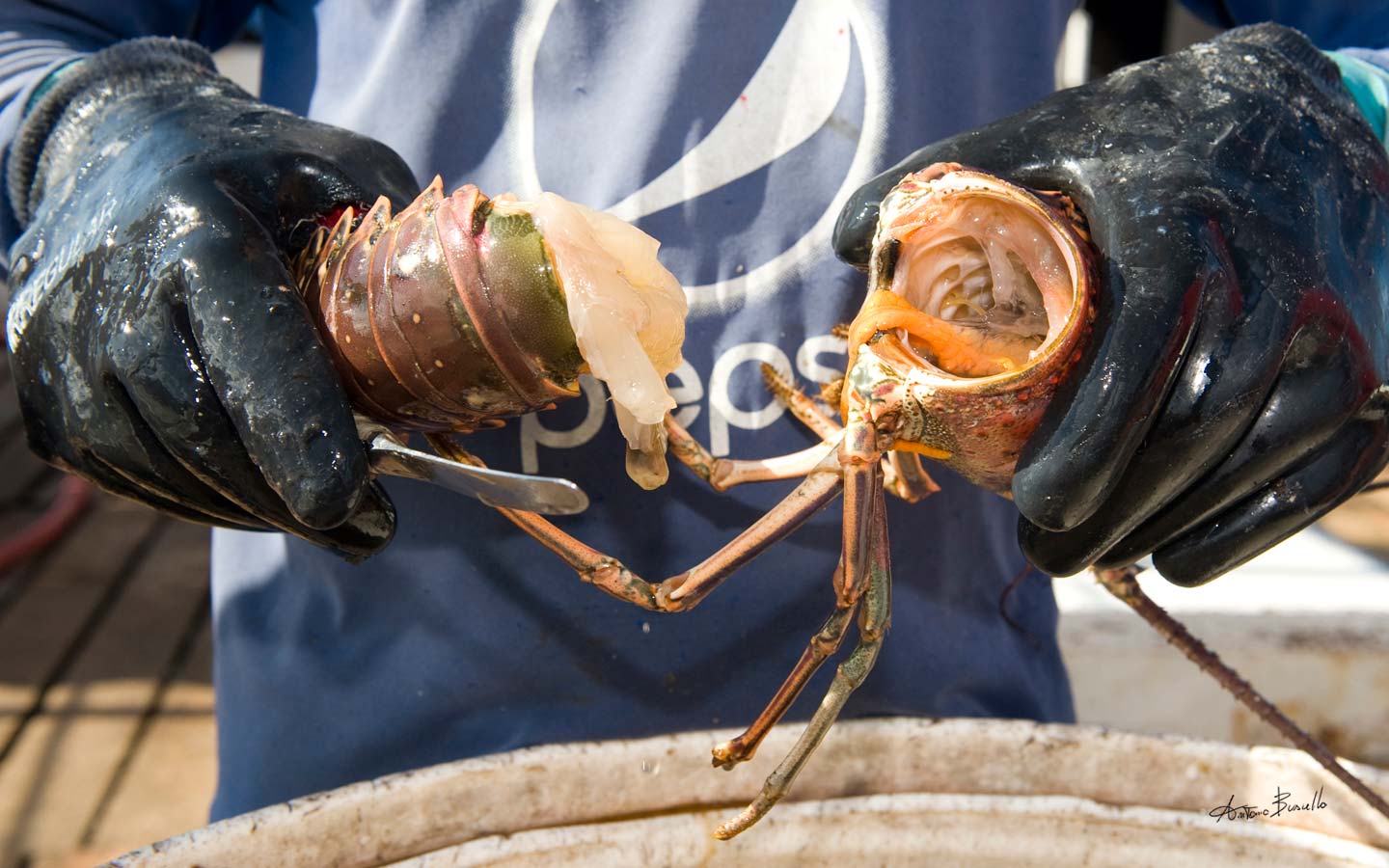
Caribbean spiny lobster (Panulirus argus)
The red gold rush: Lobster fishing in Central America
Caribbean spiny lobster (Panulirus argus)
The red gold rush: Lobster fishing in Central America
Commercial trap lobster fishing
The red gold rush: Lobster fishing in Central America
in 2009, for the first time in the Central America and Caribbean waters, it was introduced a 4 months ban on lobster fishing during the reproductive season, issued by the OSPESCA (Central America Fisheries and Aquaculture Organization ) and signed by the governments on May 21, 2009, and It is still valid. Along with the ban a new set of rules were introduced, like the use of lobster traps with an escape opening for juveniles, the return of female carrying eggs lobsters back in the water, a minimum lobster size and the prohibition on lobster diving.
The red gold rush: Lobster fishing in Central America
Commercial trap lobster fishing
The red gold rush: Lobster fishing in Central America
Lobster fishing is seasonal, they are allowed to fish for eight months of the year. In 2009 was introduce a 4 months ban during lobster reproduction time in all central America and Caribbean waters. There are many cooperatives in Belize that buy lobsters from artisanal fishermen and sell them aboard. However many fishermen prefer to sell the lobsters directly to the local markets or restaurants.
The red gold rush: Lobster fishing in Central America
Villamar Godfrey with his image on National Geographic magazine from the sixties. Villamar Godfrey, an 81-year-old fisherman from Placencia, Belizee was one
The red gold rush: Lobster fishing in Central America
Lobster packing plant
The red gold rush: Lobster fishing in Central America
Commercial trap lobster fishing
The red gold rush: Lobster fishing in Central America
Levan Aldana with his father and brother, fishing lobsters. They all live off lobster fishing. They fish using home made traps or free diving.They sell the lobsters to the local restaurants and to the fish markets. Many people in Belize live off artisanal lobster fishing. Matter of fact lobster fishery became the most important income earning for artisanal fishermen in Belize over the last few years the. Fishermen use hook-sticks, catching lobster within the inshore reef along the coast of Belize. Other use wooden traps called "casitas
The red gold rush: Lobster fishing in Central America
Lobster packing plant

Seguici su  

Share 

© Antonio Busiello Photography
Cookie Policy
Privacy Policy
Impostazioni Cookies
  
Torna indietro
Visualizza Cookie Policy completa

Personalizza le tue preferenze relative al consenso

Dalle seguenti impostazioni hai la possibilità di esprimere le tue preferenze di consenso alle tecnologie di tracciamento che adottiamo per offrire le funzionalità e svolgere le attività sotto descritte. Per ottenere ulteriori informazioni in merito all'utilità e al funzionamento di tali strumenti di tracciamento, fai riferimento alla cookie policy del relativo proprietario. Puoi visionare e presonalizzare le tue scelte in qualsiasi momento.

Rifiuta tutto
Accetta tutto
Strettamente Necessari (Cookie tecnici) Maggiori info
I cookie tecnici sono quelli utilizzati al solo fine di 'effettuare la trasmissione di una comunicazione su una rete di comunicazione elettronica, o nella misura strettamente necessaria al fornitore di un servizio della società dell'informazione esplicitamente richiesto dall'abbonato o dall'utente a erogare tale servizio'.
Essi non vengono utilizzati per scopi ulteriori e sono normalmente installati direttamente dal titolare o gestore del Sito Web. Possono essere suddivisi in cookie di navigazione o di sessione, che garantiscono la normale navigazione e fruizione del Sito Web (permettendo, ad esempio, di realizzare un acquisto o autenticarsi per accedere ad aree riservate); cookie analytics, assimilati ai cookie tecnici laddove utilizzati direttamente dal gestore del sito per raccogliere informazioni, in forma aggregata, sul numero degli utenti e su come questi visitano il sito stesso; cookie di funzionalità, che permettono all'utente la navigazione in funzione di una serie di criteri selezionati (ad esempio, la lingua, i prodotti selezionati per l'acquisto) al fine di migliorare il servizio reso allo stesso. Per l'installazione di tali cookie non è richiesto il preventivo consenso degli utenti.
Statistica e gestione tecnica della navigazione Maggiori info
I sistemi informatici preposti al funzionamento dei siti web acquisiscono, nel corso del loro normale esercizio e per la sola durata della connessione, alcuni dati personali la cui trasmissione è implicita nell’uso dei protocolli di comunicazione di internet. Si tratta di informazioni che non sono raccolte per essere associate a Interessati identificati, ma che per loro stessa natura potrebbero, attraverso elaborazioni ed associazioni con dati detenuti da terzi, permettere di identificare gli utenti. In questa categoria di dati rientrano ad esempio: gli indirizzi IP o i nomi dei computer utilizzati dagli utenti che si connettono ai siti web, gli indirizzi in notazione URI (Uniform Resource Identifier) delle risorse richieste, le caratteristiche del browser utilizzato per la navigazione, la risoluzione dello schermo nel quale viene eseguito il browser nel dispositivo utilizzato, ed altri parametri relativi al sistema operativo e all’ambiente informatico dell’utente. Questi dati sono utilizzati al solo fine di ricavare informazioni statistiche anonime sull’uso dei siti e per controllarne il corretto funzionamento, e vengono cancellati immediatamente dopo l’elaborazione. I dati potrebbero essere utilizzati per l’accertamento di responsabilità in caso di ipotetici reati informatici ai danni dei siti.
Cookie di Profilazione:
Pubblicità, Remarketing e behavioral targeting Maggiori info
Questi servizi consentono di utilizzare i Dati dell’Utente per finalità di comunicazione commerciale in diverse forme pubblicitarie, quali il banner, anche in relazione agli interessi dell’Utente. Alcuni dei servizi sotto indicati potrebbero utilizzare Cookie o altri Identificatori per identificare l’Utente o utilizzare la tecnica del behavioral retargeting, ovvero visualizzare annunci pubblicitari personalizzati in base agli interessi e al comportamento dell’Utente, rilevati anche al di fuori di questo Sito Web.
Salva e continua